
Riyadh's KAFD Office Market: Analyzing Post-Pandemic Vacancy Rates and Rental Yields for Investors
Author
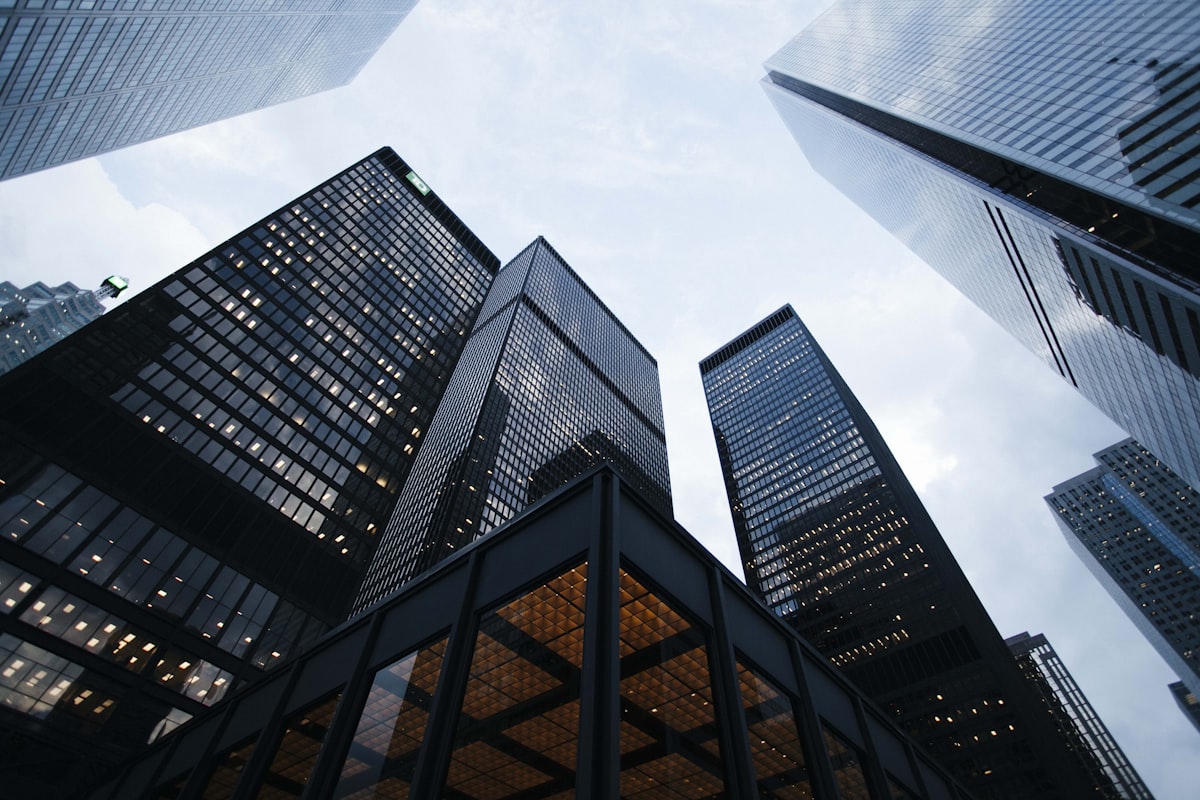
The commercial real estate market in Saudi Arabia, particularly in the capital Riyadh, has undergone significant transformations in recent years. The King Abdullah Financial District (KAFD) stands as the crown jewel of this evolution, serving as a leading economic and financial hub in the region. However, the repercussions of the COVID-19 pandemic have cast a shadow over traditional work dynamics, directly impacting office space demand, vacancy rates, and rental yields. As experts at Osool Estate, this article explores the current state of the KAFD office market, analyzes key post-pandemic changes, and provides valuable insights for investors.
Q1: What is the Current State of the King Abdullah Financial District (KAFD) Office Market?
The King Abdullah Financial District (KAFD) is a mega-project spanning 1.6 million square meters, encompassing 90 mixed-use buildings, including luxurious office towers, retail spaces, and residential units. The district aims to be a primary driver of the Saudi economy and a regional and global financial center, aligning with Saudi Vision 2030’s goals of diversifying income sources and reducing oil dependence. Prior to the pandemic, KAFD witnessed increasing demand from major local and international companies seeking to establish or expand their presence in the Kingdom, leveraging its advanced infrastructure and attractive regulatory environment.
KAFD's Evolution as a Global Financial Hub
- Advanced Infrastructure: KAFD boasts state-of-the-art technology and facilities, including an internal transportation network, recreational amenities, and services.
- Focus on Sustainability: Many KAFD buildings are designed to the highest environmental sustainability standards, making it an attractive destination for companies committed to corporate social responsibility.
- Investment Appeal: The district offers investment incentives and facilities for businesses, enhancing its position as a preferred business destination.
According to recent reports, the total available office space in KAFD has exceeded 1.2 million square meters, with more spaces continuously being added as remaining projects reach completion. Rental prices per square meter in KAFD saw steady growth before the pandemic, reaching competitive levels compared to other global financial centers, reflecting the quality of spaces and services offered.
Q2: How Has the COVID-19 Pandemic Impacted Vacancy Rates in KAFD?
The COVID-19 pandemic triggered an unprecedented shift in work patterns, with many companies adopting remote or hybrid work models. This transformation directly affected the demand for traditional office spaces. Initially, the KAFD office market, like global markets, experienced a slight increase in vacancy rates as companies re-evaluated their space requirements.
Workplace Shifts and Their Impact on Demand
- Remote Work: Reduced the daily need for employees in offices.
- Hybrid Work: Led to the redesign of office spaces to be more flexible and collaborative, focusing on shared areas rather than individual offices.
- Pressure on Traditional Spaces: Some companies downsized their office footprints or renegotiated lease agreements.
However, thanks to the Kingdom's ambitious vision and swift government measures to support the economy, the KAFD office market began to recover faster than anticipated. As life gradually returned to normal, companies started recognizing the importance of offices as centers for innovation, collaboration, and corporate culture. Estimates suggest that vacancy rates, which slightly rose during the pandemic's peak, have begun to decline again, stabilizing at healthy levels between 15-20% for premium spaces—a natural percentage in developing markets with continuous inventory additions.
Investors interested in a deeper understanding of market dynamics can visit the Osool Estate blog for additional analyses on various sectors.
Q3: What Are the Key Changes in Rental Yields Within the KAFD Office Market?
Rental yields in KAFD were marginally affected by post-pandemic demand fluctuations but maintained their resilience due to the high quality of buildings and services. The average rental price per square meter in KAFD currently ranges between 1200-2000 Saudi Riyals annually for prime office spaces, with variations depending on the building's location, age, finishing level, and added services.
Factors Influencing Rental Yields
- Building Quality and Facilities: Buildings with LEED certifications or those offering smart technologies and integrated facilities (gyms, restaurants, parking) command higher yields.
- Prime Location: Proximity to metro stations or key amenities within KAFD increases a space's attractiveness.
- Lease Flexibility: Offering flexible lease options, such as co-working spaces or fully furnished offices, has become a draw for startups and smaller businesses.
Despite the challenges, KAFD's rental yields remain attractive for long-term investors, especially with the continued economic growth of the Kingdom and the Public Investment Fund's support for mega-projects. Compared to other areas in Riyadh, such as Olaya District or King Fahd Road, where rents range from 800-1500 SAR per square meter, KAFD maintains its superiority due to its status as a global financial hub and unparalleled service level.
Q4: What Challenges and Opportunities Face Investors in KAFD?
Investing in the KAFD office market presents a promising opportunity but is not without challenges that investors must consider.
Challenges:
- Increased Competition: With the continued development of other major real estate projects in Riyadh, competition to attract tenants is intensifying.
- Demand Fluctuations: Changes in work patterns can affect the demand for specific types of office spaces.
- Operating and Maintenance Costs: Premium buildings in KAFD require high operating and maintenance costs to uphold their quality.
Opportunities:
- Vision 2030: Strong government support and major development projects under Vision 2030 ensure continued economic growth and demand for office spaces.
- Financial Sector Growth: KAFD's ability to attract numerous financial institutions, banks, and major consulting firms creates continuous office demand.
- Demand for Flexible Spaces: The growing need for co-working spaces and flexible work environments can offer lucrative returns for investors targeting this sector.
- Regulatory Stability: The Saudi Real Estate General Authority provides a stable regulatory framework that protects investor and tenant rights, enhancing market transparency.
To maximize these opportunities, investors can explore Osool Estate's platform features, which offer advanced analytical tools.
Q5: What Are the Future Outlooks for the KAFD Office Market?
The future outlook for the KAFD office market points towards sustainable growth, driven by several positive factors.
Drivers of Growth:
- Additional Projects: Many projects are still under construction within KAFD, which will add more high-quality office spaces to meet the increasing demand.
- Attracting Global Companies: The Kingdom aims to attract major international companies to establish their regional headquarters in Riyadh, with KAFD being the prime choice for these entities. This trend is supported by government programs designed to enhance the Kingdom's appeal as a business hub.
- Digital Transformation: Continuous investment in KAFD's digital infrastructure and technology will make it more attractive to tech and innovative companies.
- New Rental Law: The new rental law is expected to enhance transparency and protect the rights of all parties, increasing investor and tenant confidence in the market.
Estimates suggest that vacancy rates will continue to gradually decrease as the market absorbs new inventory and demand increases. Rental yields are expected to stabilize or see slight growth, especially for premium spaces that meet the needs of modern businesses.
Q6: What Practical Advice Can Be Offered to Investors Considering KAFD?
To succeed in the KAFD office market, investors should follow well-thought-out strategies:
- Thorough Risk-Reward Analysis: Conduct comprehensive feasibility studies for each investment opportunity, considering location, space type, and demand forecasts.
- Focus on Flexible and Smart Spaces: Invest in offices that offer flexible work solutions and integrate smart technology to meet modern business needs. This includes co-working spaces and fully furnished offices.
- Partner with Specialized Property Management Firms: Collaborating with companies like Osool Estate can provide you with the necessary expertise in property management, tenant attraction, and maximizing returns on your investments. We offer integrated solutions for real estate agencies and investors.
- Stay Updated on Regulatory Developments: Keep abreast of the latest updates in Saudi real estate regulations and legislations, including those issued by the Real Estate General Authority.
- Utilize Advisory Services: Consult real estate experts for in-depth insights into market trends and property valuations.
Conclusion & Recommendations
The KAFD office market in Riyadh remains an attractive and promising investment destination, despite the challenges posed by the COVID-19 pandemic. Thanks to strong government support, continuous economic growth, and the Kingdom's commitment to Vision 2030, KAFD is poised to continue its role as a major financial hub. Investors should focus on flexibility, quality, and technology to ensure maximum returns. Osool Estate is committed to providing support and analytics to help you make informed investment decisions in this dynamic market. To learn more about our services, you can visit our pricing page.